
 Back to Living Notes
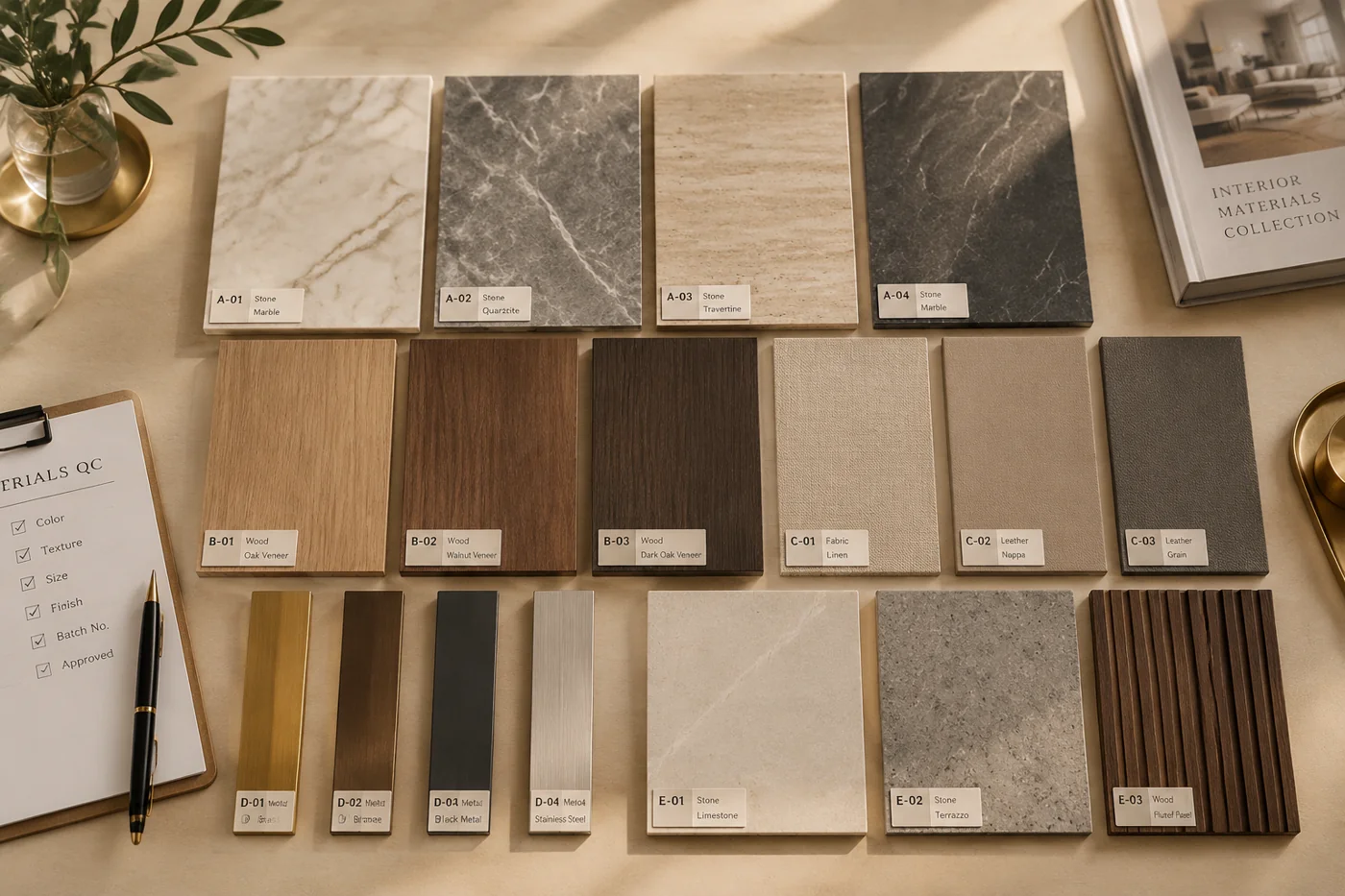
When choosing materials, it is easy to look at color first, but once they are in the home they also have to get along with the adjacent floor, door frames and lighting. Differences in surface treatment, thickness, joints and batch can all change that relationship.
Keeping samples and documentation is not only for comparison on the day materials arrive, but also so that future partial repairs know what was originally used and how it was connected.
Material sealed samples start from these specific questions: first clarify one junction relationship, then gradually build a whole-home list.
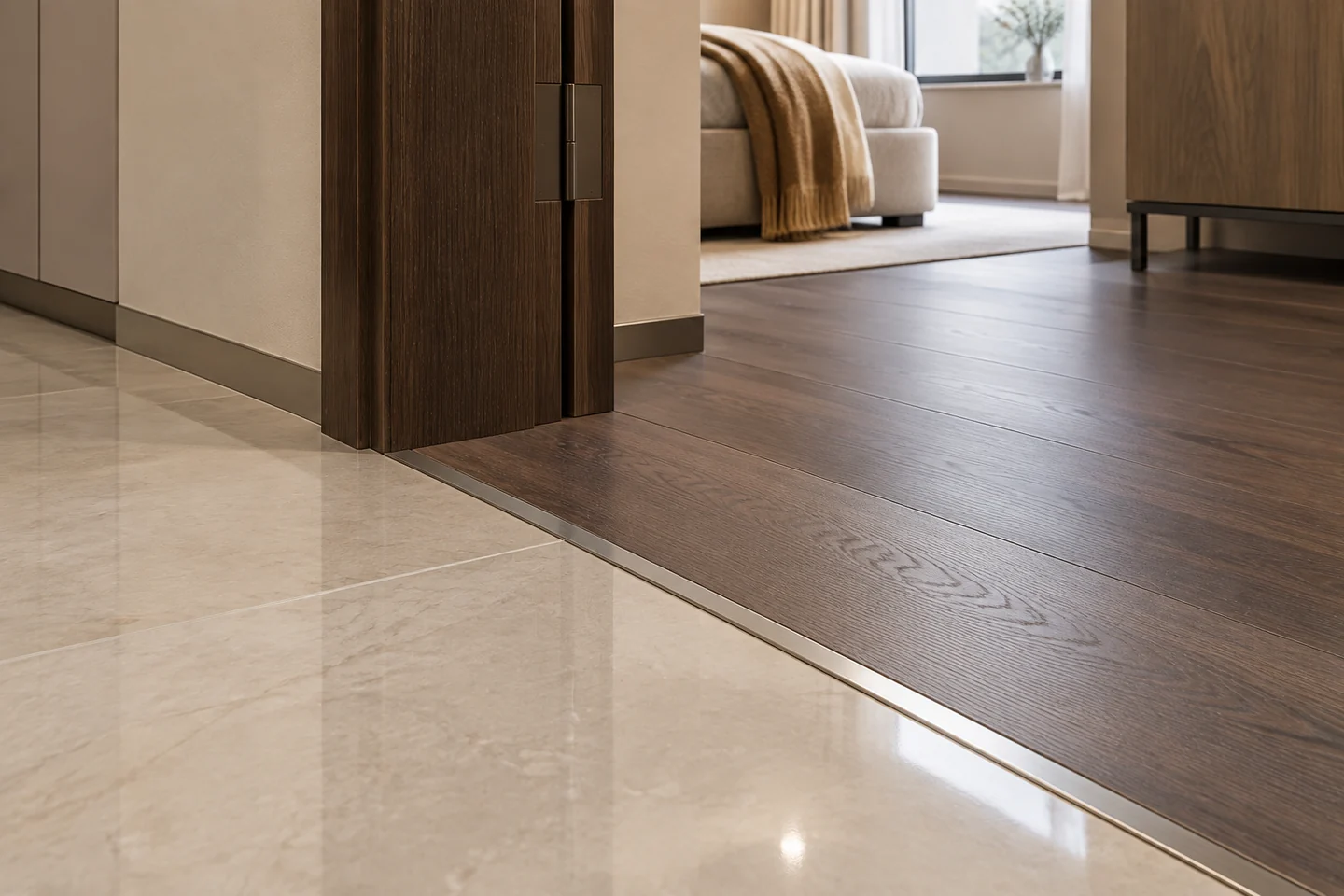
A junction between old and new flooring cannot be settled by color alone
Take a partial renovation of a finished apartment as an example:
The existing floor tiles are retained, and the new wood flooring meets them; the finished-surface height difference, expansion joint and edge-trim method need to be determined together. Each material may look good on its own, yet the junction may still be hard to maintain.
The material, width, color and installation method of the metal edge trim should all be recorded, and compared with the materials on both sides at the detail.
When selecting samples, bring the documentation for the existing floor tiles and door frames, and confirm the new materials under actual lighting as far as possible.
Humidity changes, substrate conditions and the expansion of different materials can all affect the junction. When lifting or open joints occur, the specific cause should be investigated; one joint cannot be used to conclude that all problems were caused by a particular color selection.
Drawing details clearly in advance, comparing samples and keeping records can reduce the decisions made on the spot during installation.
A sealed-sample sheet keeps information beyond color
The scope of sealed samples depends on the actual quantity of materials. In the original proposal documentation, a small-scale finished-apartment adjustment lists about 6 items, a 430㎡ large flat plan lists 47 items, and a 520㎡ detached house plan lists 62 items; these are the list quantities for the corresponding proposals and do not represent completed projects or fixed quotas.
A record can include number, color, grain direction, surface feel, specification and thickness, junction method, batch risk and replacement boundaries. The content should be developed according to the characteristics of the material; it cannot simply say "light gray" or "matte" and stop there.
深圳市熹合空间设计有限公司 compares adjacent materials together with edge trims: when new flooring meets old tiles, the joint width and height difference must first have a basis. Only after doing residential work can one understand living; whether only a section of edge trim is repaired in the future, or an entire floor has to be taken apart, depends on how details are handled and samples are kept today.
Physical samples, confirmation and numbering correspond to one another
Sealed-sample records need to correspond to the physical samples and drawings:
Keep physical samples for comparison as far as possible; photographs supplement the record of batch, installation direction and viewing light, but cannot fully replace touch and actual color.
Relevant content is confirmed by the owner, designer, contractor or supplier as agreed for the project, with the date noted. Color and texture, specifications and details, and supply batch and lead time are written separately; the scope of responsibility is subject to the contract and what each party has confirmed.
When the owner and the designer each keep one sample, note that they come from the same batch for easy comparison later.
Drawings, orders and delivery records use the same number, and versions are retained when changes occur.
When materials arrive, first match the number and batch, then compare with the physical sample. If a deviation is found, record the location, photographs and related documentation, and hand it to the responsible party to confirm the cause and how to handle it.
Several things to watch over long-term use
Indoor humidity, sunlight, cleaning and occasional knocks all affect materials. When selecting samples, compare along the following five aspects:
Moisture resistance: check the coating system, metal anti-rust treatment, wood moisture content and backing method, and also check the wall and substrate conditions.
Sunlight: check the colorfastness of fabrics near windows, compare the expected color change of wood veneer, and reserve replaceable options where necessary.
Expansion: record joint width, tolerance and the basis for the method separately at the junction of flooring and stone, and between cabinet doors and adjacent finishes.
Partial repair: confirm whether a damaged piece can be removed and replaced on its own, and which adjacent components removal would affect.
Replenishment: whether spares from the same batch are reserved, and how to re-compare samples if stock runs out; cross-batch differences are explained in advance, with no promise that exactly the same material can always be replenished.
These matters will accompany the home through years of use, with more continuity than a one-time color confirmation at the time of ordering.

Existing materials that continue in use also need to be recorded
Existing materials in a finished apartment can be handled separately according to whether they are changed and whether new junctions are added.
Check the condition before deciding to retain; once retention is decided, record the location, specifications and maintenance documentation.
Materials that are fully retained with no new junctions can be registered as continued use according to the project situation; when new flooring, new walls or partial demolition and patching are involved, junction details are compared separately. For chasing, drilling and tile replacement, it is also necessary to confirm whether performance, warranty and subsequent repairs are affected.
Adding a junction does not necessarily mean the original material cannot be retained; rather, the old-new relationship needs to be reconfirmed.
So that a single confirmation can be traced later
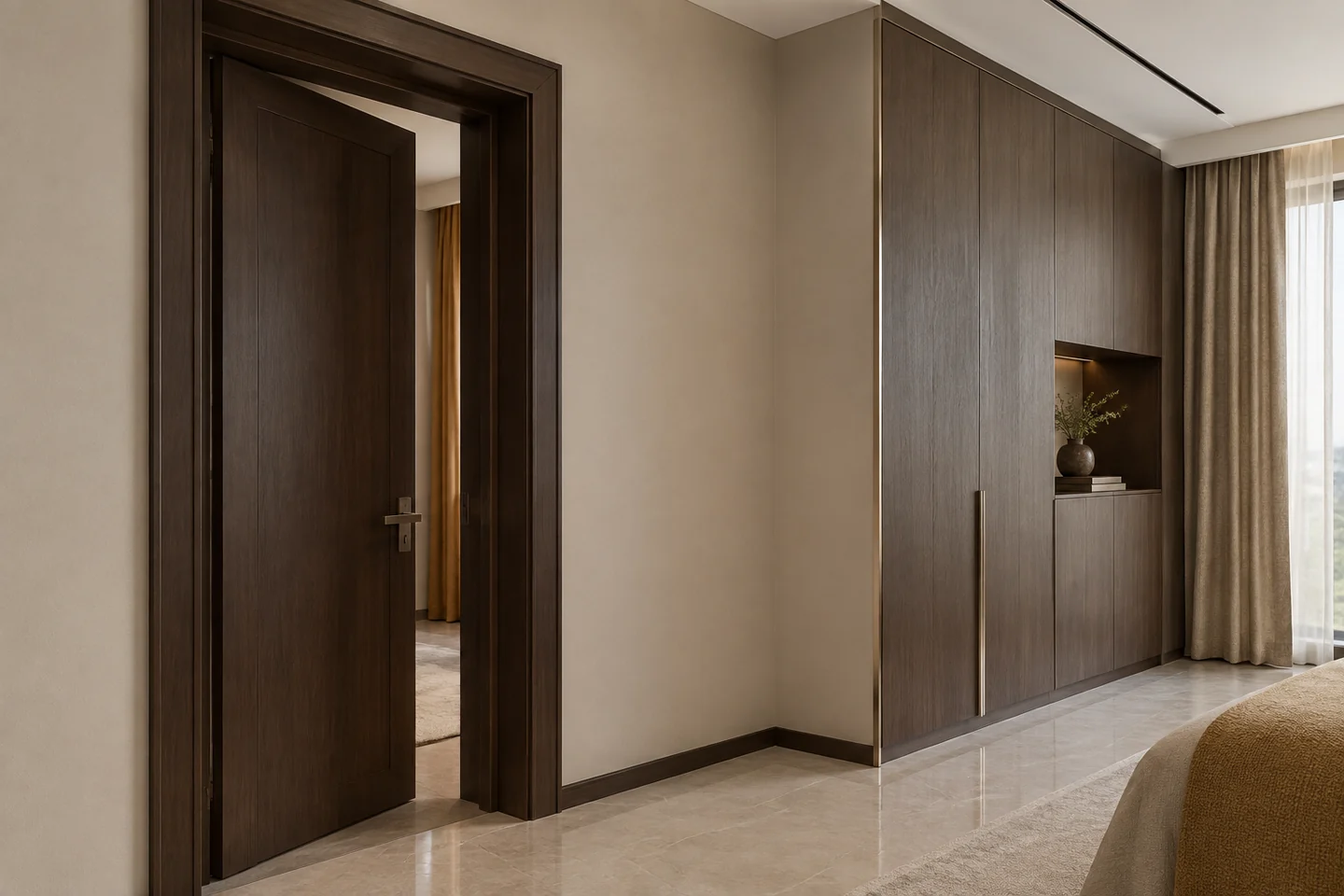
From sample to drawing, from delivery to installation, records stay traceable, so later checks do not depend on who still remembers the decision made at the time.
The requirements brief explains why the choice was made, the sealed-sample record explains what was chosen, and the drawings explain how it connects. The three can be linked by number, with confirmations and versions retained when adjustments are made; material sealed samples cannot be equated with a guarantee by a fixed-price design contract for all procurement and construction costs.
When users receive the material booklet, they should be able to find the model, batch, supplier, location of use and maintenance method. When tiles need to be matched or a countertop replaced later, they can first turn to the corresponding page, and then the relevant parties judge how the existing material and the replacement should work together.
A retained sample and a clear record give future repairs one more definite starting point.
This article explains material sealed samples and design coordination based on the proposal documentation of 深圳市熹合空间设计有限公司; actual material selection and construction acceptance are subject to the project confirmation records and the corresponding professional requirements.
